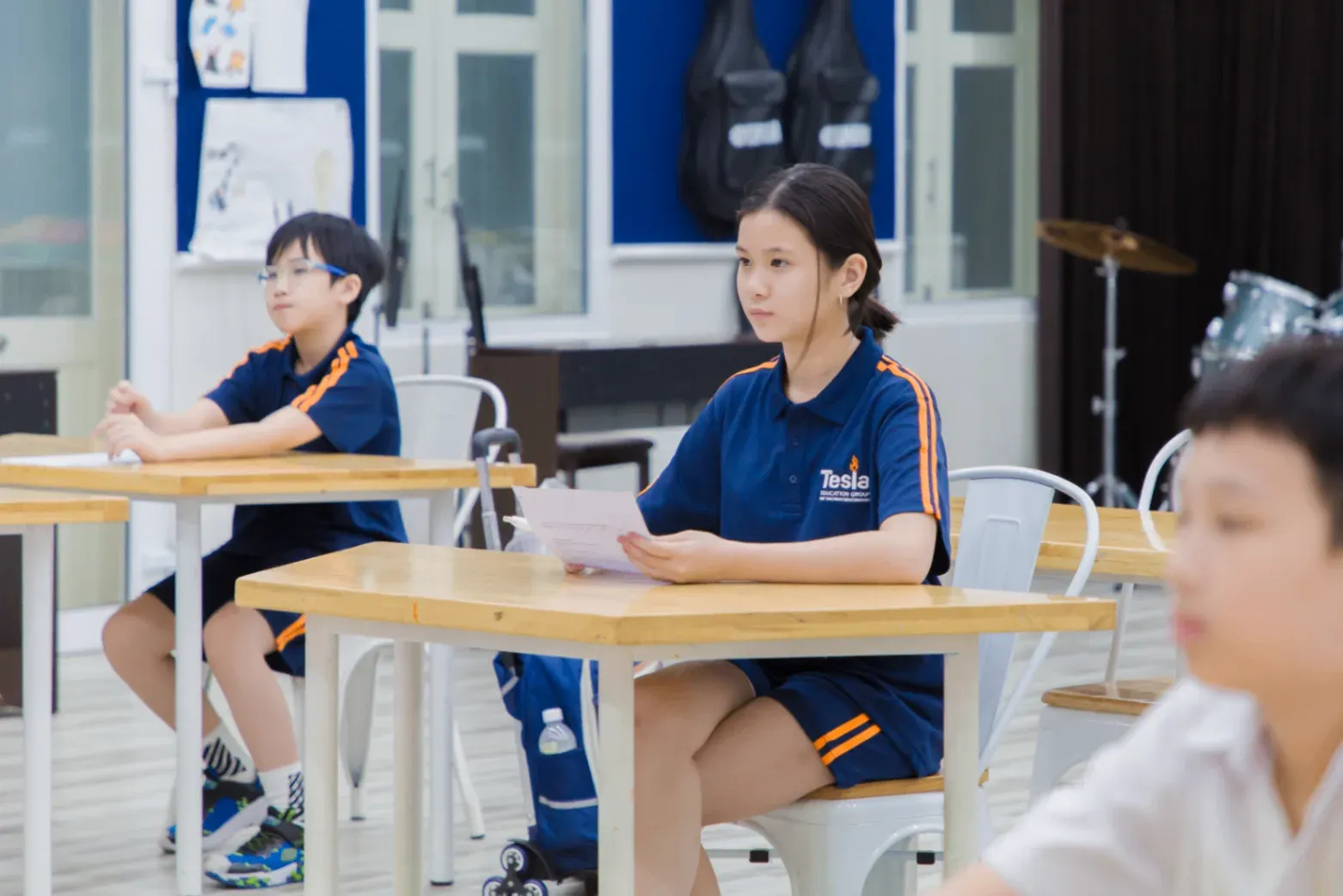
Chương trình Trung học Cơ sở IB (MYP)
Một hành trình học tập mang tính thử thách và giàu khám phá dành cho học sinh từ lớp 6 đến lớp 10 - nơi tư duy phản biện, hiểu biết đa văn hoá và khả năng kết nối với thế giới thực được nuôi dưỡng, giúp người học sẵn sàng bước tiếp vào chương trình Tú tài Quốc tế và trở thành những cá nhân có định hướng, tạo ra giá trị bền vững trong tương lai.
Cách học sinh kết nối việc học với thế giới thực
Chương trình MYP tại Tesla được thiết kế theo hướng thử thách, khai phóng và mang tính toàn cầu. Thông qua phương pháp học tập truy vấn, liên môn và các bối cảnh thực tiễn, học sinh phát triển toàn diện về tư duy, cảm xúc và kỹ năng xã hội.
Phương pháp tiếp cận việc học tập
Phát triển các kỹ năng cốt lõi giúp học sinh trở thành người học độc lập, chủ động và hiệu quả.
Khái niệm
Tập trung vào những ý tưởng lớn, giúp học sinh hiểu sâu và kết nối kiến thức xuyên suốt các môn học.
Bối cảnh toàn cầu
Real-world lenses through which students explore local and global issues, building awareness of their place in the world.
Học tập thông qua phụng sự cộng đồng
Gắn kết học tập với hành động, nuôi dưỡng trách nhiệm và đóng góp tích cực cho cộng đồng.
Đánh giá học tập sát thực
Đánh giá qua các nhiệm vụ gắn với đời sống, tập trung vào khả năng vận dụng hơn là ghi nhớ.
Kết nối học tập liên môn
Học liên môn giúp học sinh vận dụng kiến thức linh hoạt và hiểu vấn đề một cách toàn diện.
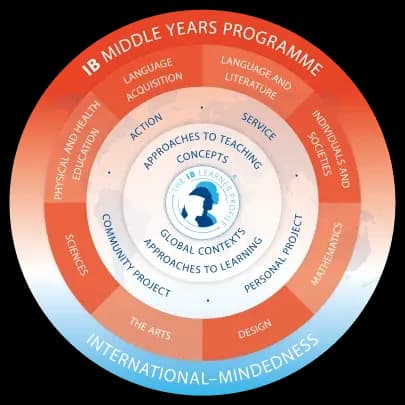
Các môn trong chương trình học
Học sinh MYP tiếp cận 8 nhóm môn học, đảm bảo nền tảng kiến thức rộng đồng thời phát triển khả năng kết nối và vận dụng liên môn.
Ngôn ngữ & Văn học
Phát triển tư duy phân tích, kỹ năng đọc – viết và diễn đạt qua nhiều loại văn bản.
Ngôn ngữ thứ hai
Xây dựng năng lực ngôn ngữ mới, đồng thời mở rộng hiểu biết văn hoá và giao tiếp liên văn hoá.
Cá nhân & Xã hội
Khám phá lịch sử, địa lý và xã hội để hiểu cách con người và thế giới vận hành.
Khoa học
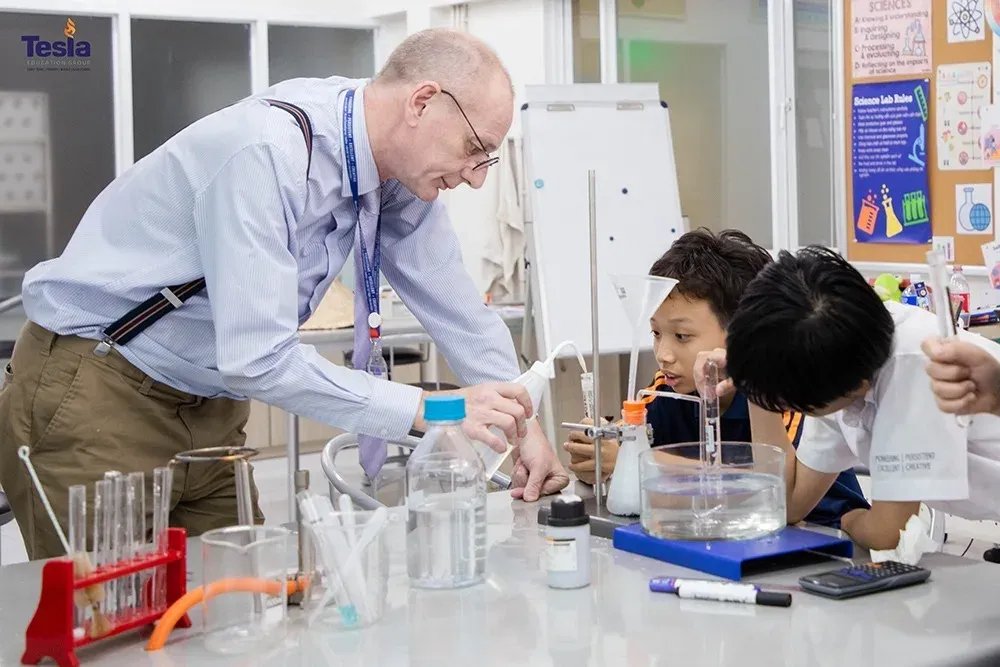
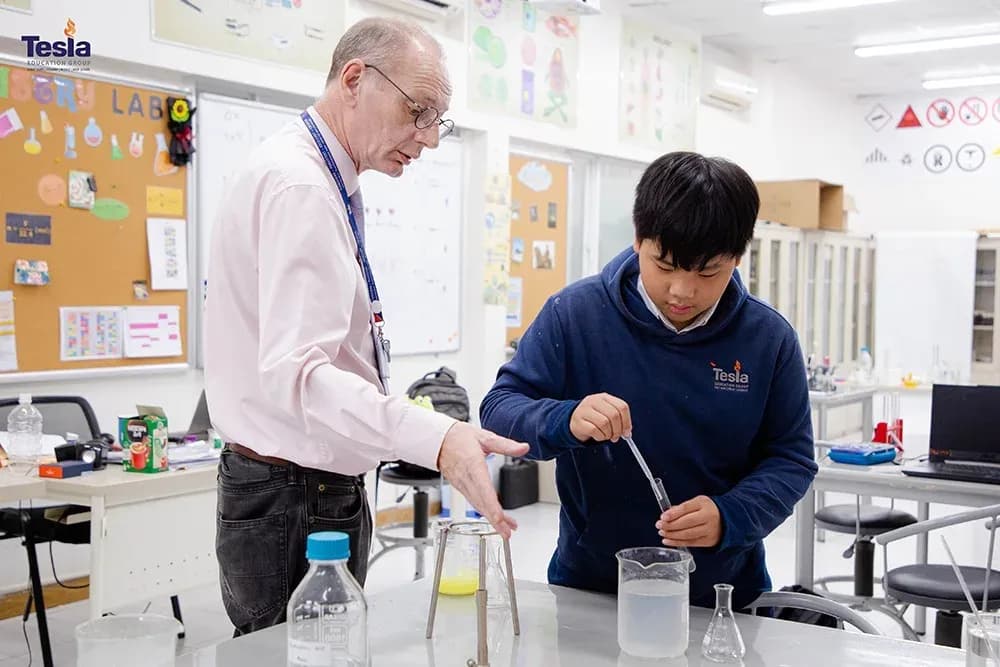
Tìm hiểu thế giới tự nhiên thông qua thực nghiệm, quan sát và tư duy dựa trên bằng chứng.
Toán học
Phát triển tư duy logic, giải quyết vấn đề và ứng dụng vào các tình huống thực tế.
Nghệ thuật
Thể hiện ý tưởng và cảm xúc qua âm nhạc, mỹ thuật, kịch và các hình thức sáng tạo khác.
Cách chúng tôi thấu hiểu và ghi nhận sự tiến bộ của mỗi học sinh
Việc đánh giá trong chương trình MYP được diễn ra liên tục nhằm hỗ trợ, định hướng và ghi nhận sự phát triển của học sinh.
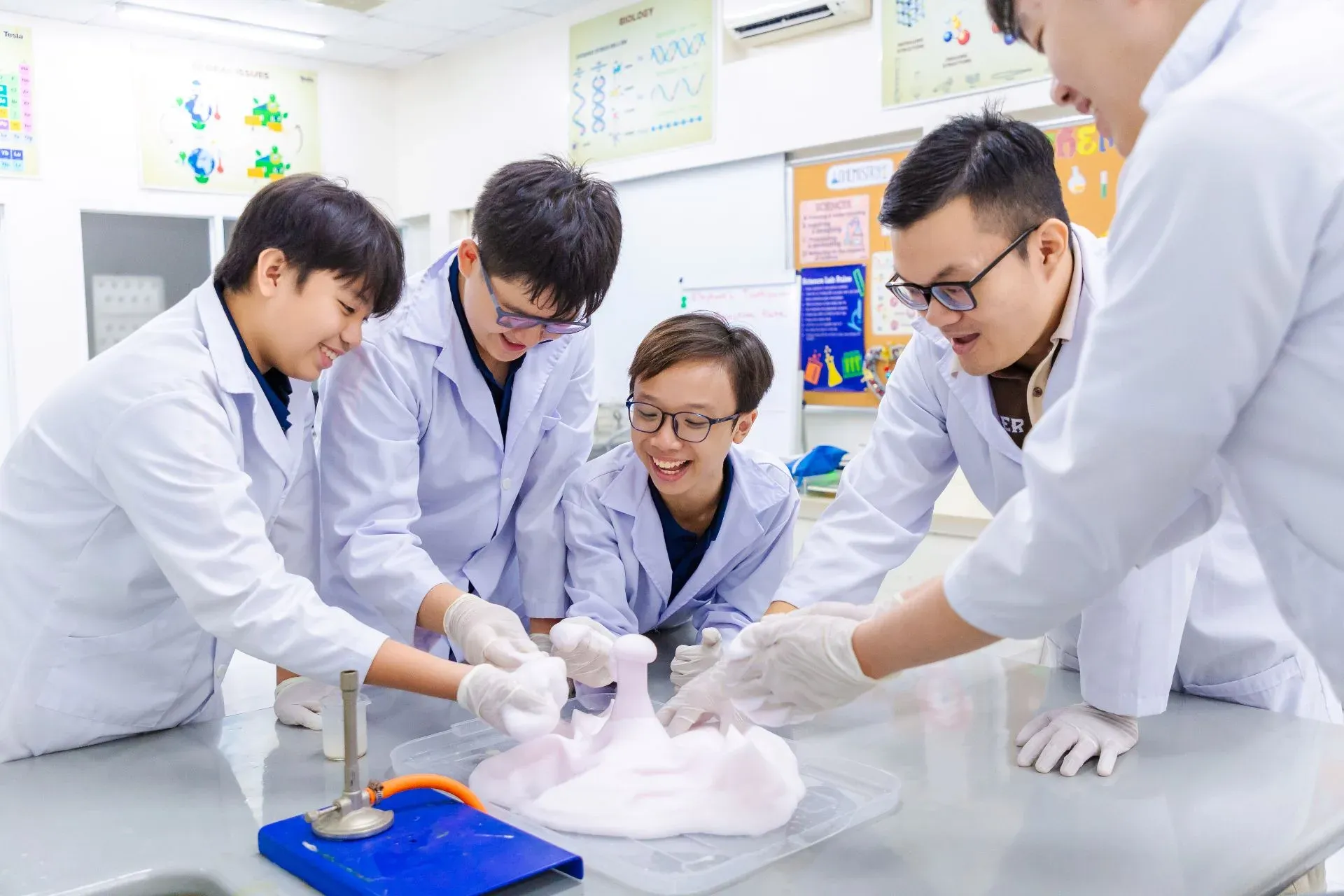
Phản hồi liên tục trong quá trình học
Theo dõi sát sao, hỗ trợ kịp thời và điều chỉnh hành trình học tập.
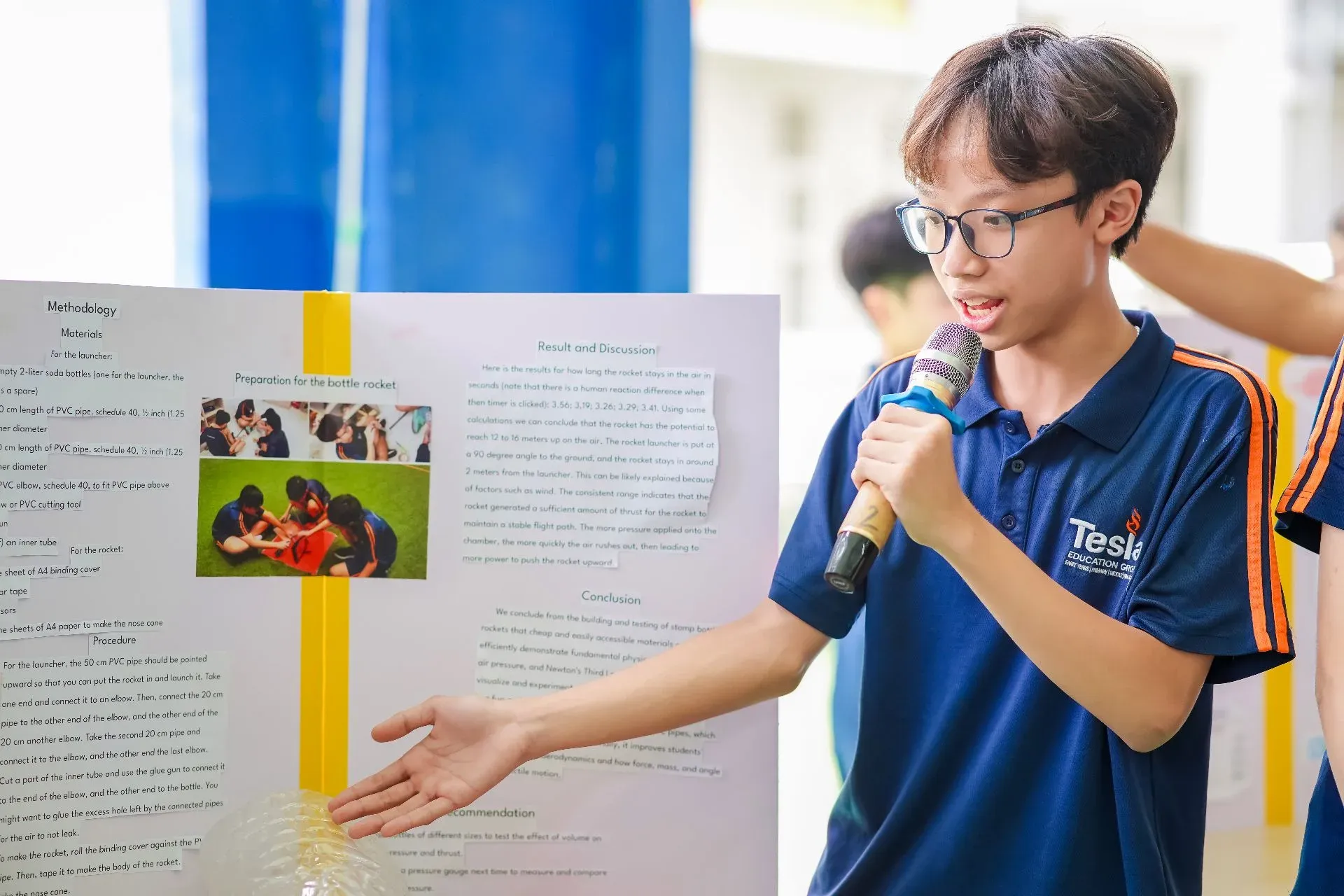
Đánh giá cuối mỗi chủ đề hoặc học kỳ
Đo lường mức độ đạt được theo tiêu chí MYP và khả năng vận dụng kiến thức.
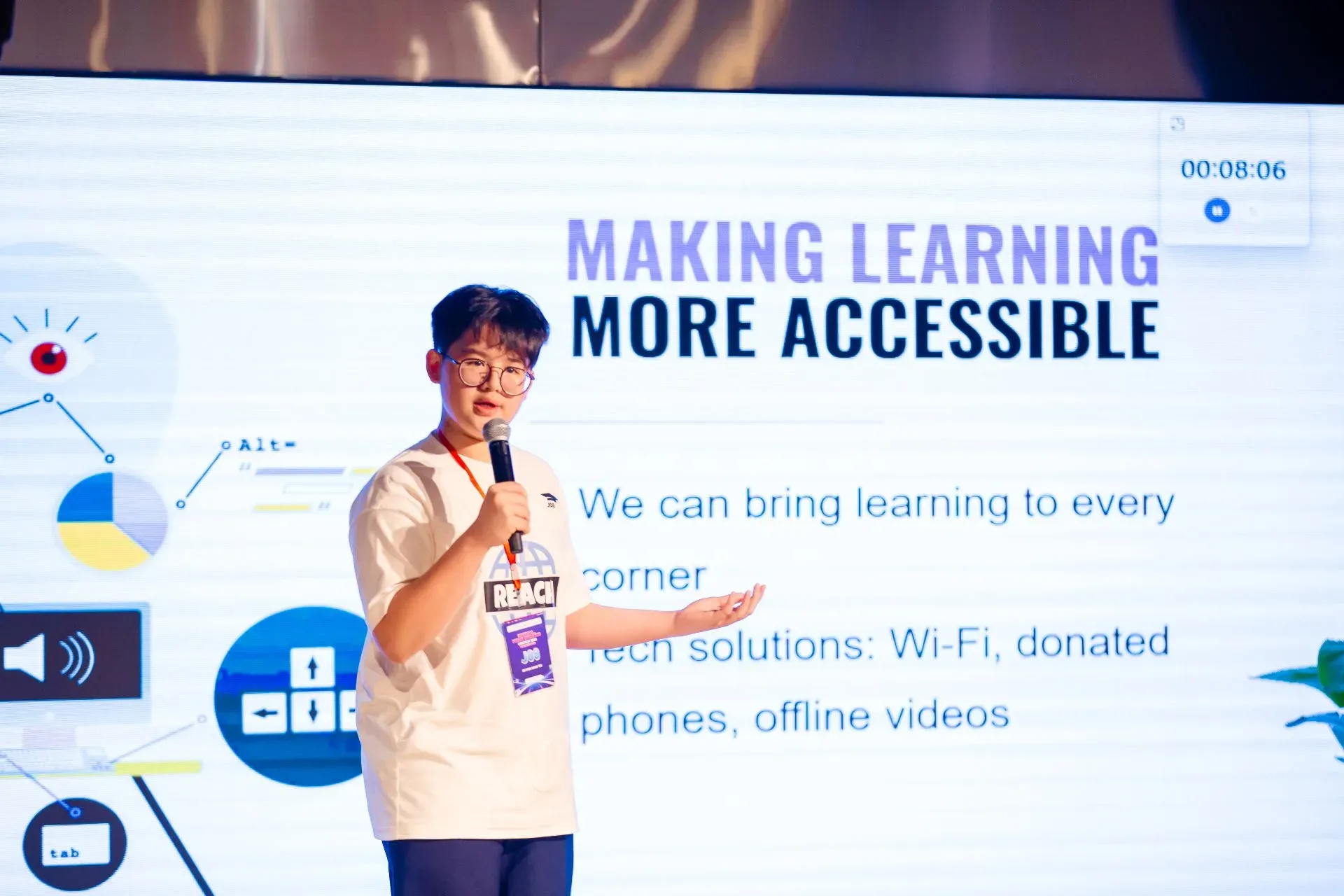
Đánh giá theo tiêu chí rõ ràng
Dựa trên chuẩn IB minh bạch, giúp học sinh hiểu mục tiêu và định hướng phát triển.
Cách chúng tôi thấu hiểu và ghi nhận sự tiến bộ của mỗi học sinh
Việc đánh giá trong chương trình MYP được diễn ra liên tục nhằm hỗ trợ, định hướng và ghi nhận sự phát triển của học sinh.

Phản hồi liên tục trong quá trình học
Theo dõi sát sao, hỗ trợ kịp thời và điều chỉnh hành trình học tập.
Đánh giá cuối mỗi chủ đề hoặc học kỳ
Đo lường mức độ đạt được theo tiêu chí MYP và khả năng vận dụng kiến thức.
Đánh giá theo tiêu chí rõ ràng
Dựa trên chuẩn IB minh bạch, giúp học sinh hiểu mục tiêu và định hướng phát triển.
Năm nhóm kỹ năng cốt lõi giúp học sinh học tập độc lập và hợp tác hiệu quả với người khác.
Tesla trân trọng mời Quý phụ huynh và học sinh đến tham quan, trải nghiệm môi trường học tập quốc tế tại trường. Vui lòng để lại thông tin để bộ phận Tuyển sinh liên hệ và đón tiếp chu đáo.
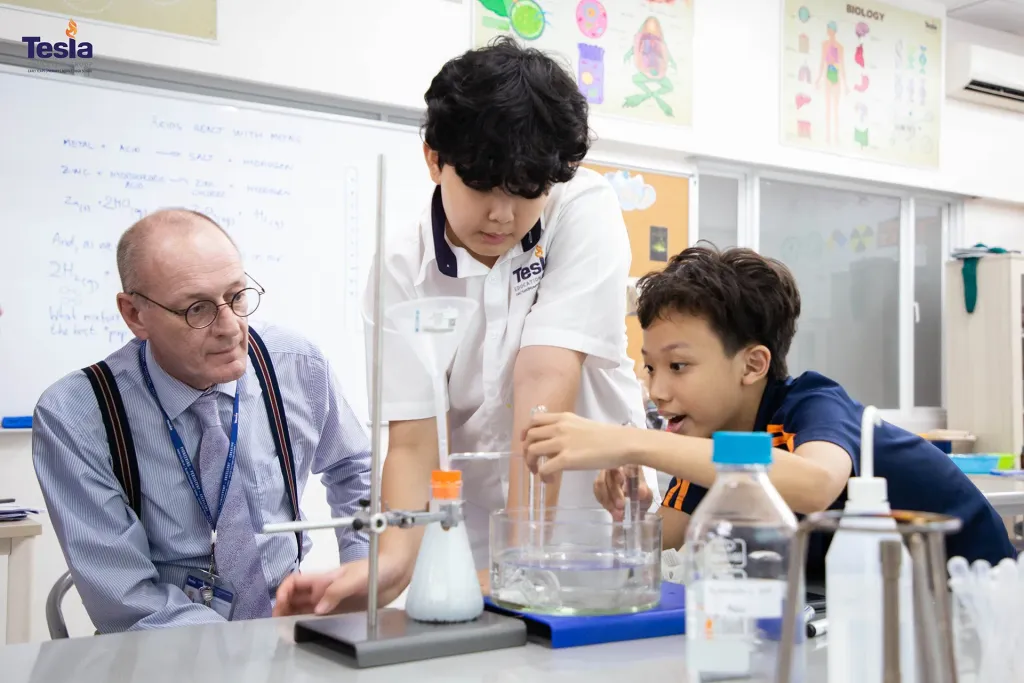
Truyền đạt ý tưởng rõ ràng qua nhiều hình thức
Phát triển kỹ năng ngôn ngữ trong học tập
Lắng nghe và phản hồi hiệu quả
Năm nhóm kỹ năng cốt lõi giúp học sinh học tập độc lập và hợp tác hiệu quả với người khác.
Tesla trân trọng mời Quý phụ huynh và học sinh đến tham quan, trải nghiệm môi trường học tập quốc tế tại trường. Vui lòng để lại thông tin để bộ phận Tuyển sinh liên hệ và đón tiếp chu đáo.
Truyền đạt ý tưởng rõ ràng qua nhiều hình thức
Phát triển kỹ năng ngôn ngữ trong học tập
Lắng nghe và phản hồi hiệu quả
10 phẩm chất nuôi dưỡng một người học toàn diện
Bao gồm 10 phẩm chất cốt lõi, phác họa hình mẫu người học toàn diện mà chương trình IB hướng tới, định hướng cách học sinh suy nghĩ, hành động và kết nối với thế giới xung quanh.
Ham học hỏi
Tò mò, chủ động khám phá
Có hiểu biết
Nắm vững và kết nối kiến thức phạm vi địa phương và toàn cầu
Biết tư duy
Giải quyết vấn đề logic, sáng tạo
Giao tiếp tốt
Diễn đạt rõ ràng, tự tin
Nguyên tắc
Trung thực, công bằng, trách nhiệm
Cởi mở
Tôn trọng sự khác biệt
Quan tâm
Đồng cảm và sẻ chia
Dũng cảm
Sẵn sàng đón nhận thử thách
Cân bằng
Duy trì sự hài hòa giữa trí tuệ, thể chất và cảm xúc
Biết suy ngẫm
Học từ trải nghiệm để tiến bộ
Ham học hỏi
Tò mò, chủ động khám phá
Có hiểu biết
Nắm vững và kết nối kiến thức phạm vi địa phương và toàn cầu
Biết tư duy
Giải quyết vấn đề logic, sáng tạo
Giao tiếp tốt
Diễn đạt rõ ràng, tự tin
Nguyên tắc
Trung thực, công bằng, trách nhiệm
Cởi mở
Tôn trọng sự khác biệt
Quan tâm
Đồng cảm và sẻ chia
Dũng cảm
Sẵn sàng đón nhận thử thách
Cân bằng
Duy trì sự hài hòa giữa trí tuệ, thể chất và cảm xúc
Biết suy ngẫm
Học từ trải nghiệm để tiến bộ
Khám phá khuôn viên trường qua chuyến tham quan thực tế
Tesla trân trọng mời Quý phụ huynh và học sinh đến tham quan, trải nghiệm môi trường học tập quốc tế tại trường. Vui lòng để lại thông tin để bộ phận Tuyển sinh liên hệ và đón tiếp chu đáo.