Tesla Uni Fair 2026: University Guidance and Career Readiness in a Global Context
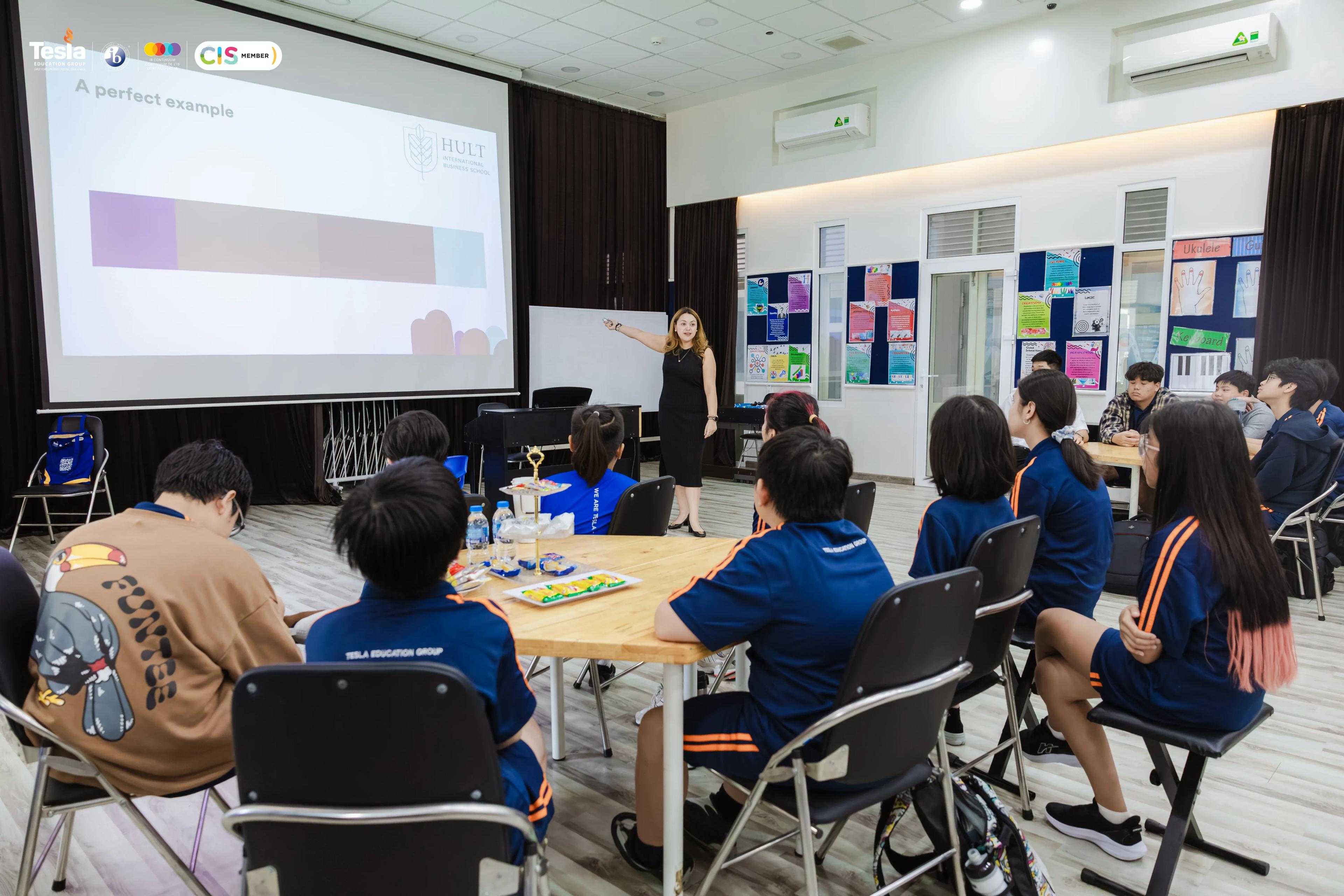
Tesla Uni Fair 202 welcomed Australian universities and Hult International Business School, offering students broader insights into academic programmes.
Which university should students choose? What should they study? And which pathways will offer the greatest opportunities for their future development?
These are questions many parents and students face when preparing for life after high school. However, as education and the labour market continue to evolve, university guidance requires more than simply identifying popular majors or highly ranked institutions. Students need a broader understanding of emerging career pathways, the skills required across different industries, and how their educational choices can shape their future.
University Guidance in a Changing Labour Market
According to the The State of Global Teenage Career Preparation report (2025) by the Organisation for Economic Co-operation and Development (OECD), uncertainty surrounding career choices among teenagers has increased significantly compared with 2018. The study also highlights that many students’ career expectations remain concentrated in a limited number of traditional occupations, which do not fully reflect the actual demands of the labour market.
These findings highlight the importance of exposing students to a wider range of career possibilities, giving them opportunities to explore different professional fields first-hand, and helping them understand the connection between their educational choices and future career development.
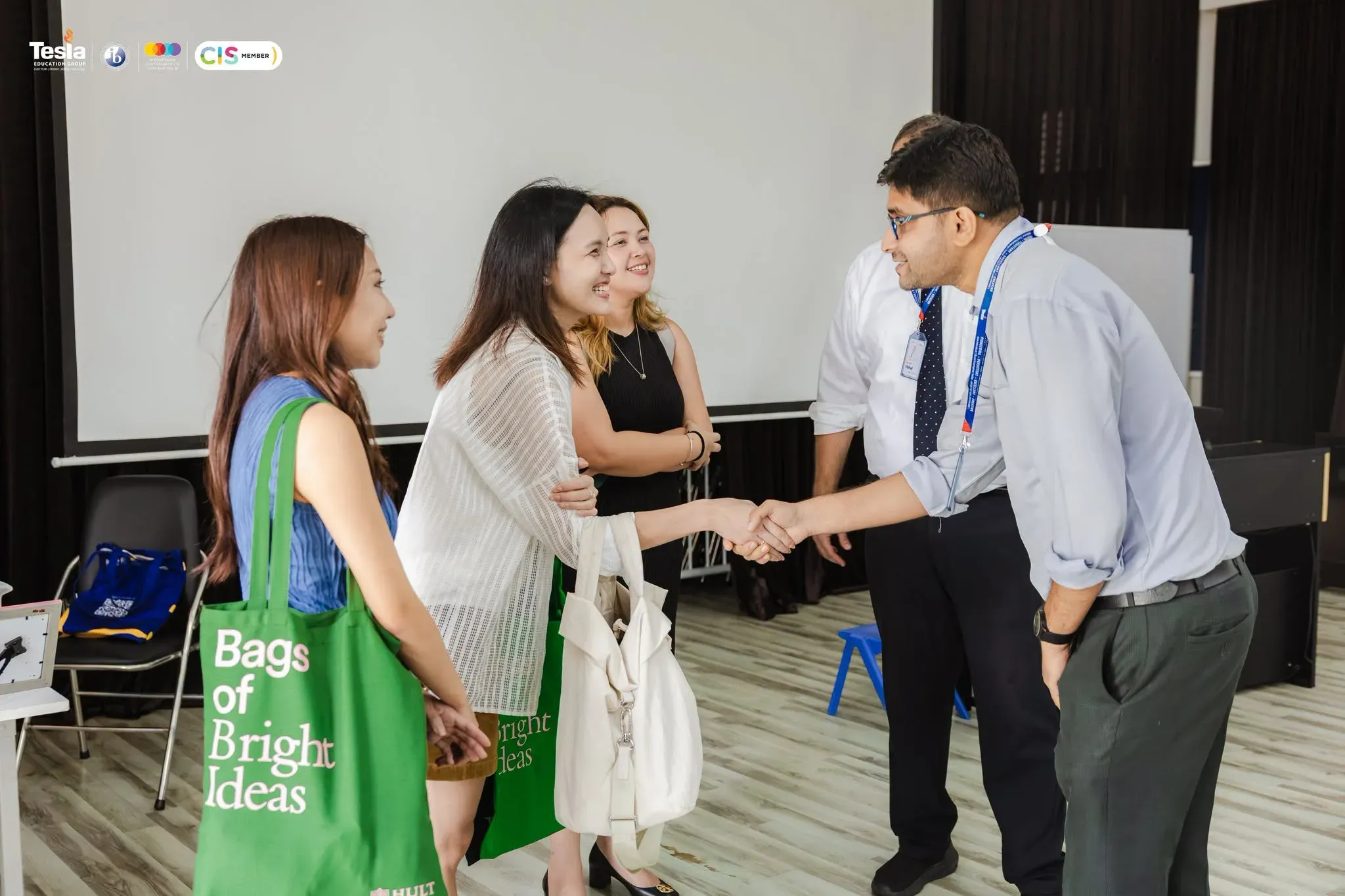
In response to this need, Tesla Education organised Tesla Uni Fair 2026, bringing representatives from international universities directly to the school. The event provided students and parents with opportunities to explore academic programmes, areas of study, and higher education pathways after high school.
Global University Pathways and the Growing Interest in Studying Abroad
Studying abroad has increasingly become an option of interest for Vietnamese families when planning their children's long-term education.
According to the OECD's Education at a Glance 2025 report, students from Asia accounted for 58% of all international students enrolled in tertiary education programmes across OECD countries in 2023. Meanwhile, more than 46% of international students across OECD and partner countries chose one of four major study destinations: Australia, Canada, the United Kingdom, and the United States.
Australia, in particular, remains a popular destination among Vietnamese families. Data from the Australian Department of Foreign Affairs and Trade (DFAT) shows that more than 36,000 Vietnamese students were studying in Australia in 2025, making Vietnam the country's fourth-largest source of international students.
These figures reflect the growing connection between Vietnamese students and international higher education systems. However, choosing to study abroad should involve more than a destination's popularity or a university's ranking. Parents should consider several factors together:
- Academic quality and programme focus: Does the programme align with the student's abilities, interests, and long-term goals?
- Teaching and learning approach: Does the university encourage research, practical application, independent thinking, and problem-solving?
- Career development opportunities: Does the programme provide opportunities for industry connections, internships, and exposure to real-world working environments?
- Readiness to adapt: Does the student have the language proficiency, independence, and essential skills to thrive in an international learning environment?
With a more comprehensive understanding of these factors, families can better assess which options are genuinely suitable for their children, rather than simply following popular study destinations.
Building Career-Ready Skills for the Future
A university degree can open doors to career opportunities, but the capabilities students develop throughout their education provide the foundation for adapting to long-term changes.
According to the Future of Jobs Report 2025 by the World Economic Forum (WEF), approximately 39% of workers' existing skill sets are expected to change or become outdated between 2025 and 2030. Among the capabilities employers value most, analytical thinking ranks first, with 69% of surveyed employers identifying it as a core skill. Adaptability, creative thinking, leadership, and technological literacy are also among the most important competencies.
This presents a new challenge for education. Alongside subject-specific knowledge, students need to develop transferable skills that can be applied across different fields and remain valuable as workplace demands evolve.
When helping their children explore future fields of study, parents may therefore consider three key areas:
1. Understanding Personal Interests and Strengths
Students need opportunities to explore their interests, personal values, and the fields that genuinely motivate them. This self-awareness provides a foundation for choosing a university major based on individual strengths and aspirations, rather than focusing solely on potential income or short-term career trends.
2. Developing Transferable Skills
Critical thinking, research, communication, collaboration, and problem-solving are valuable across a wide range of academic and professional environments. These skills also help students respond proactively when job requirements and workplace expectations change.
3. Gaining Exposure to Real-World Career Environments
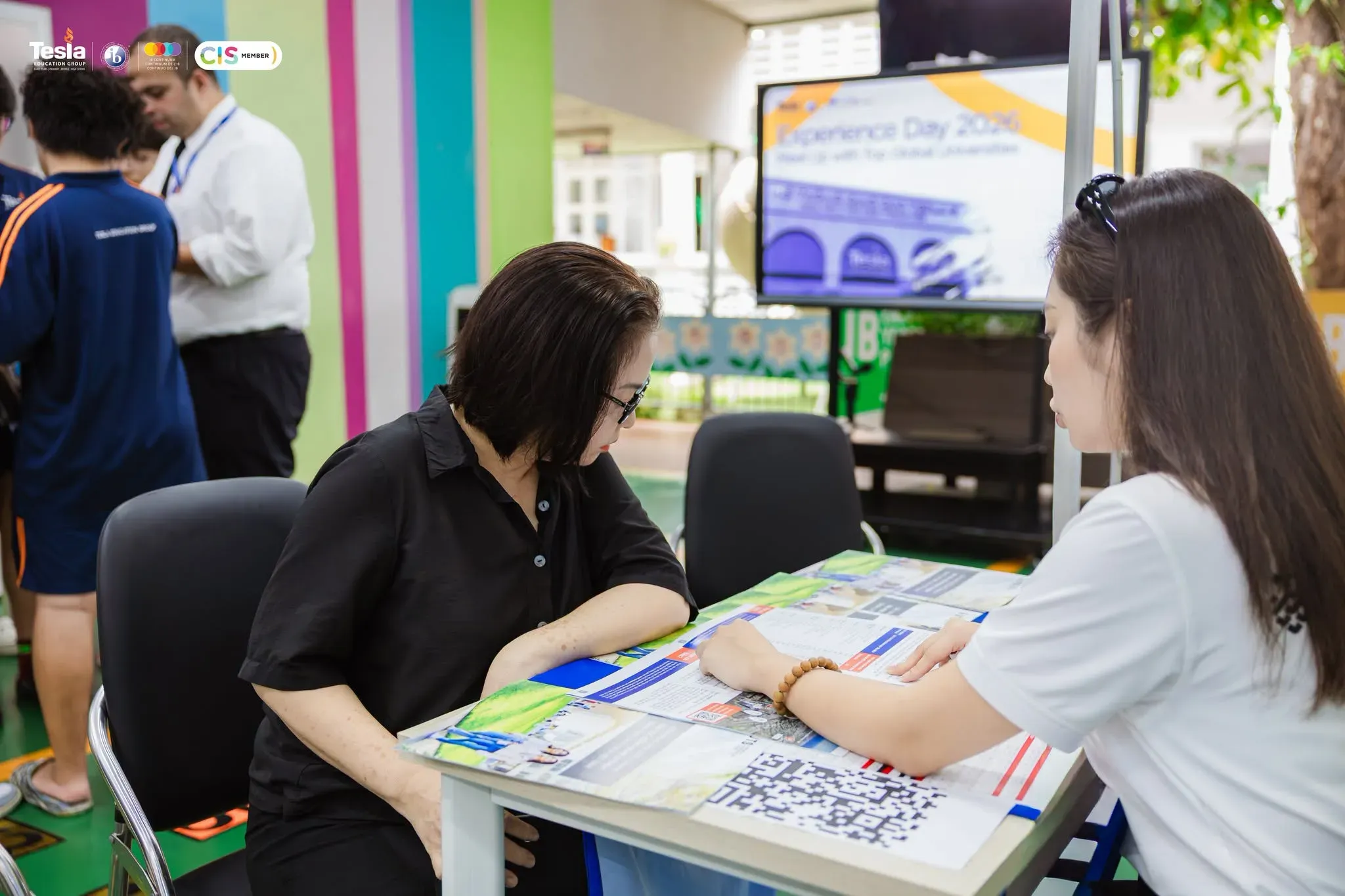
Meeting industry professionals, university representatives, and people working in different fields helps students gain a clearer understanding of career responsibilities, academic requirements, and development opportunities. Such experiences can help them refine their expectations and make more informed decisions about their future.
Tesla Uni Fair 2026: Connecting Students with International Universities
In response to the need for accessible information and practical university guidance, Tesla Uni Fair 2026 created a space for direct interaction between students, parents, and representatives from international universities.
The event welcomed four Australian universities alongside Hult International Business School, offering students and families broader insights into academic programmes and higher education options after high school.
Australian Universities
University of Technology Sydney (UTS)
Recognised for its strengths in technology and innovation, UTS emphasises the connection between academic knowledge and practical application, helping students explore how technology is used in professional environments.
Victoria University
Known for its VU Block Model®, Victoria University adopts an intensive learning approach in which students focus on one subject at a time. This allows them to engage more deeply with each area of study and strengthen their ability to apply knowledge in practice.
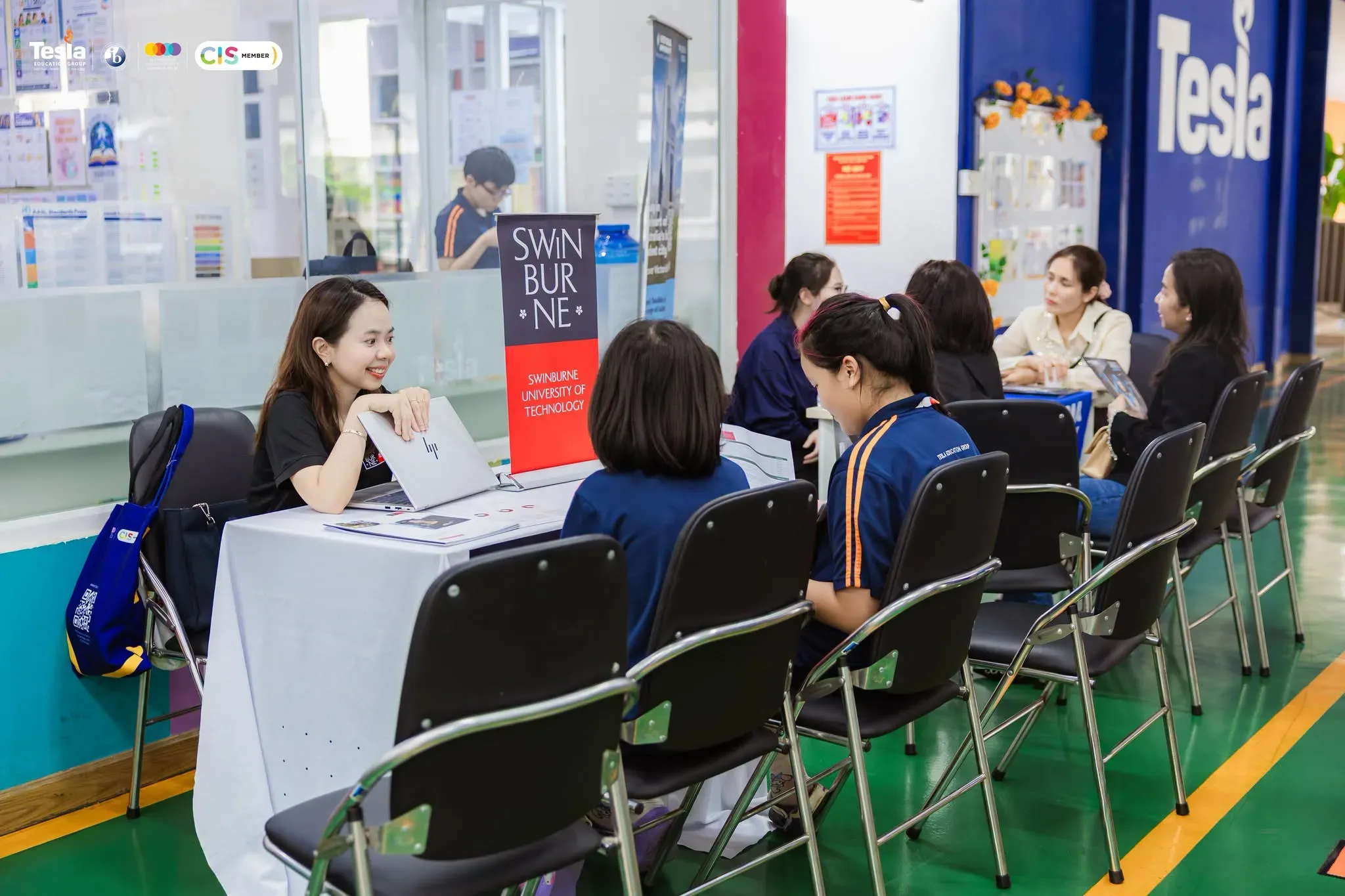
Swinburne University of Technology
With strengths in technology and innovation, Swinburne places an emphasis on industry engagement, connecting students with businesses and providing opportunities to gain practical professional experience.
Southern Cross University
As one of Australia's notable young universities, Southern Cross University offers campuses across several cities and focuses on creating learning experiences within an international environment.
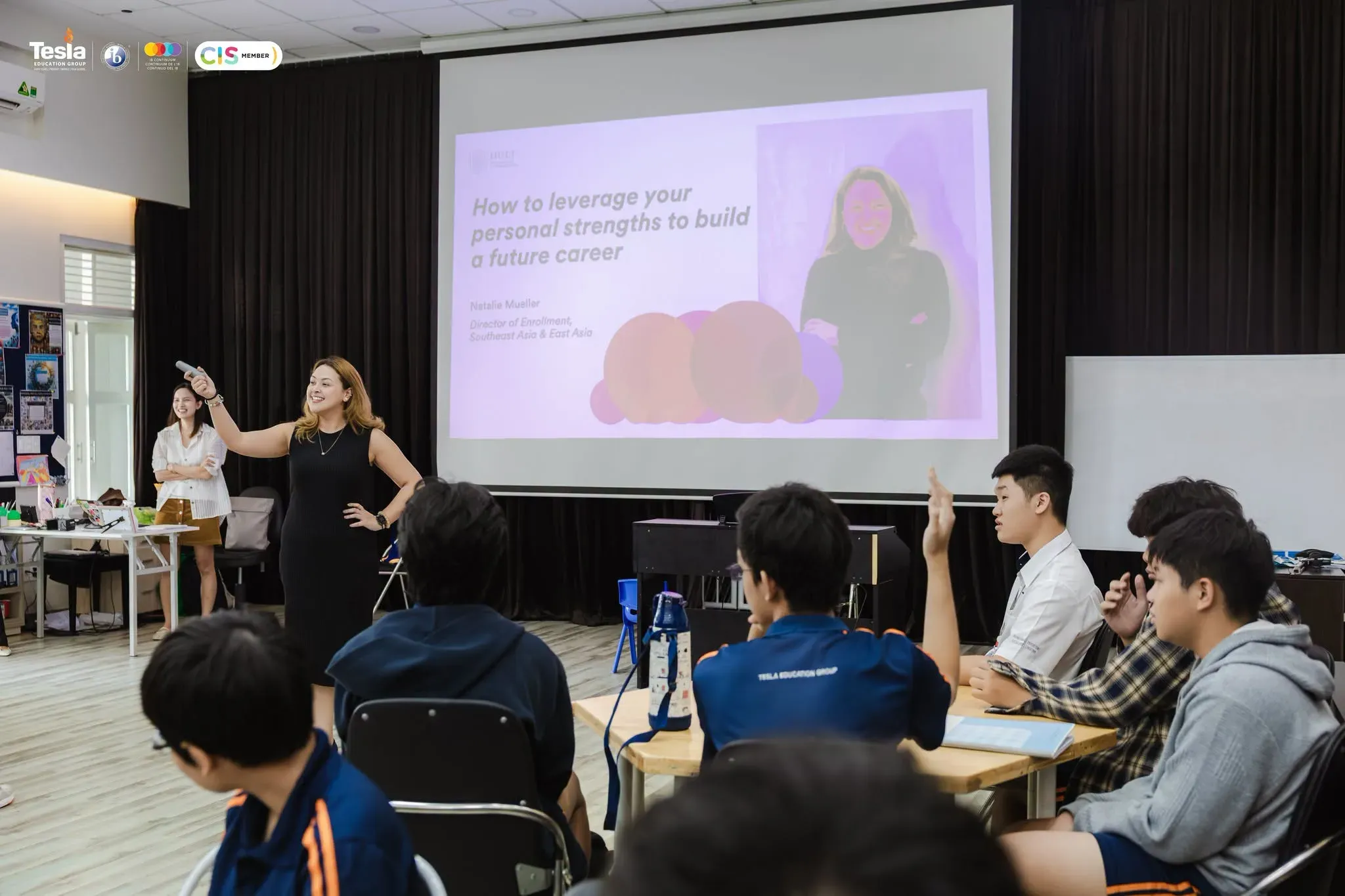
Hult International Business School
Alongside the Australian universities, Hult International Business School introduced students to a global approach to business education, with programmes closely connected to the business world and multicultural environments.
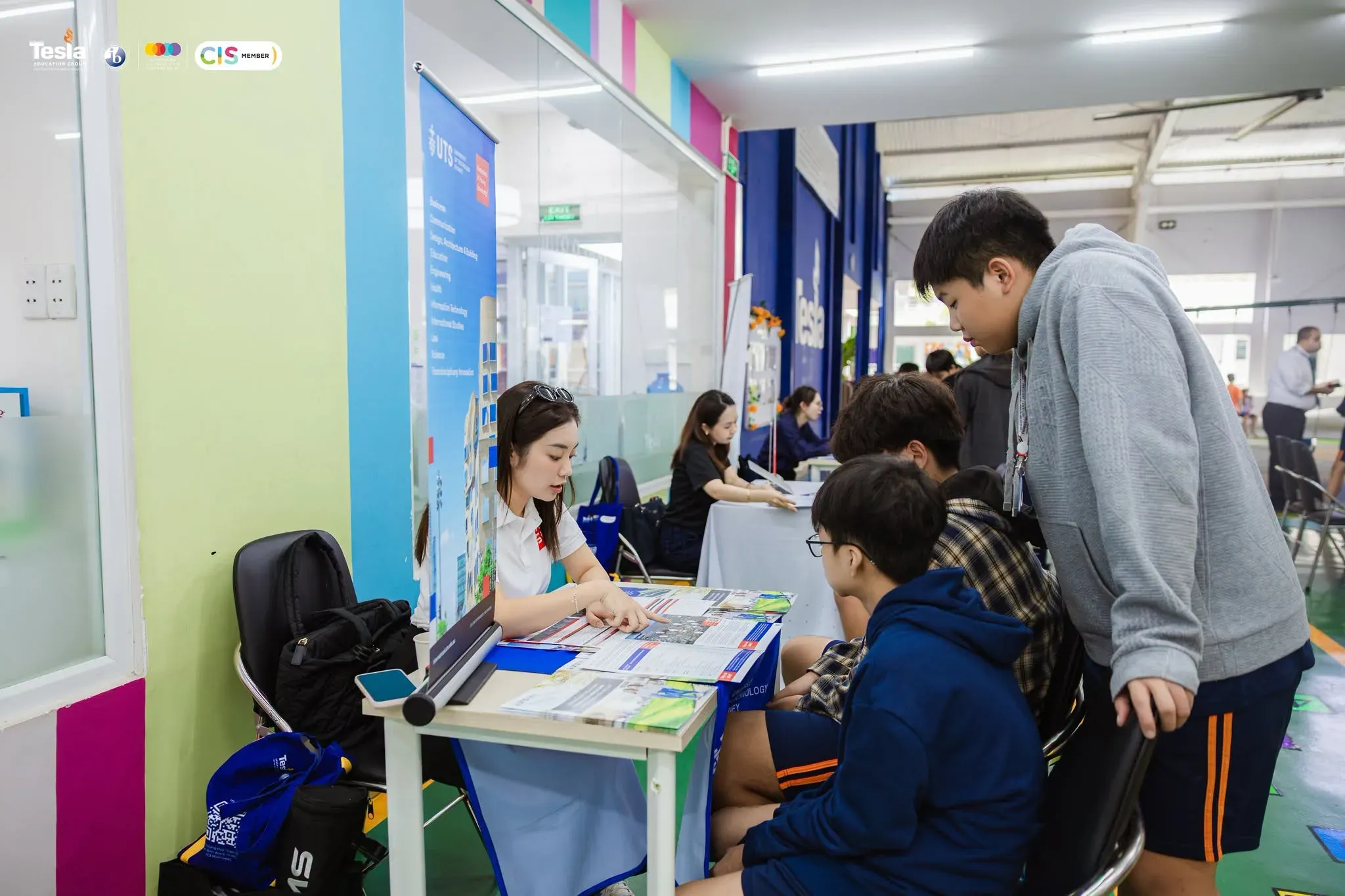
Through direct conversations with university representatives, students and parents had the opportunity to:
- Explore academic programmes, fields of study, and admission requirements.
- Ask questions about university environments and student experiences.
- Discover university options that align with their individual interests and aspirations.
- Gain further insights into international study and career development opportunities.
Rather than relying solely on information from online materials, students could engage directly with university representatives, gain more practical perspectives, and take a more active role in exploring their higher education options.
The IB Foundation for International University Pathways
To thrive in an international university environment, students need to build a strong foundation early on through an education programme that develops both academic knowledge and independent learning capabilities.
At Tesla Education, the International Baccalaureate (IB) programme supports this development through learning approaches that encourage students to ask questions, conduct research, analyse information, and apply knowledge to real-world issues.
Several core components of the IB programme contribute to a well-rounded academic foundation:
- Theory of Knowledge (TOK): Encourages students to reflect on how knowledge is developed, evaluated, and applied.
- Extended Essay (EE): Develops independent research skills and the ability to construct well-supported academic arguments.
- Creativity, Activity, Service (CAS): Provides opportunities for students to grow through creative pursuits, physical activities, and meaningful contributions to the community.
Through these experiences, students gradually develop the ability to manage their own learning, think critically, and take responsibility for their actions - all essential capabilities for a successful transition to university.
Building the Right University Pathway with Tesla
University guidance is a collaborative process involving students, families, and schools. The right choice is not necessarily the university with the highest ranking or the major currently attracting the most attention. Instead, it should reflect each student's abilities, interests, and individual development goals.
Through Tesla Uni Fair 2026, Tesla Education continues to create opportunities for students to broaden their understanding of international higher education, explore different pathways, and take informed steps towards shaping their future.
For parents interested in the International Baccalaureate (IB) programme, learning pathways at Tesla, or further guidance on university planning and studying abroad, please contact Tesla Education via our Facebook Page. Our team will be happy to provide consultation and detailed information.
Share this article: