IB 101: How Interdisciplinary Learning Builds Systems Thinking
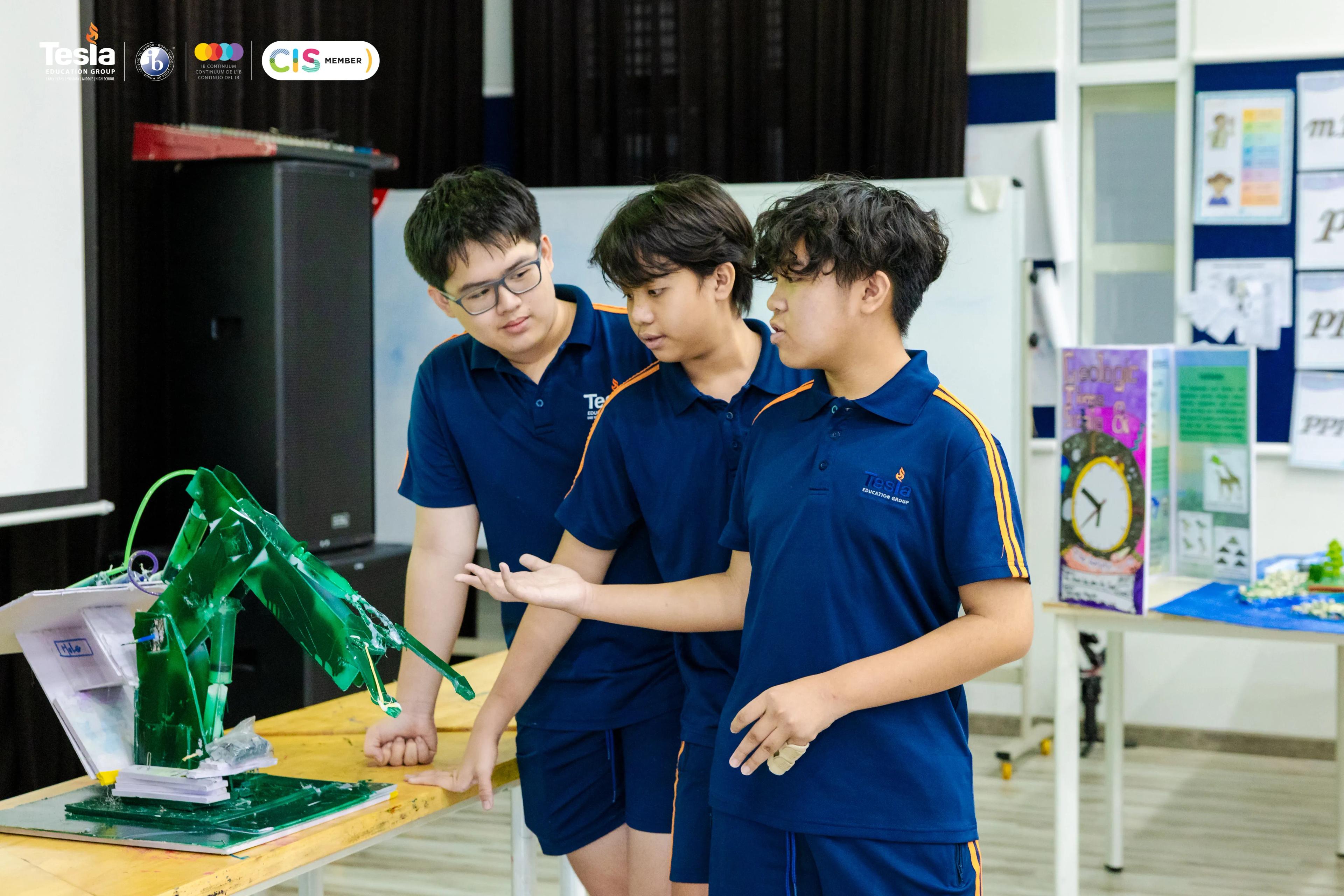
Interdisciplinary learning in the IB at Tesla: students connect Science, Mathematics, Geography and Individuals and Societies to understand real-world issues.
How do we solve environmental pollution? Many people think straight away of cutting plastic waste, planting more trees or using clean energy. Those are important steps. But students raised in the IB are encouraged to look at the issue from more angles:
- What is causing the problem?
- Which factors are affecting each other?
- What other effects might a solution have?
That is how systems thinking takes shape.
Interdisciplinary learning in Tesla classrooms
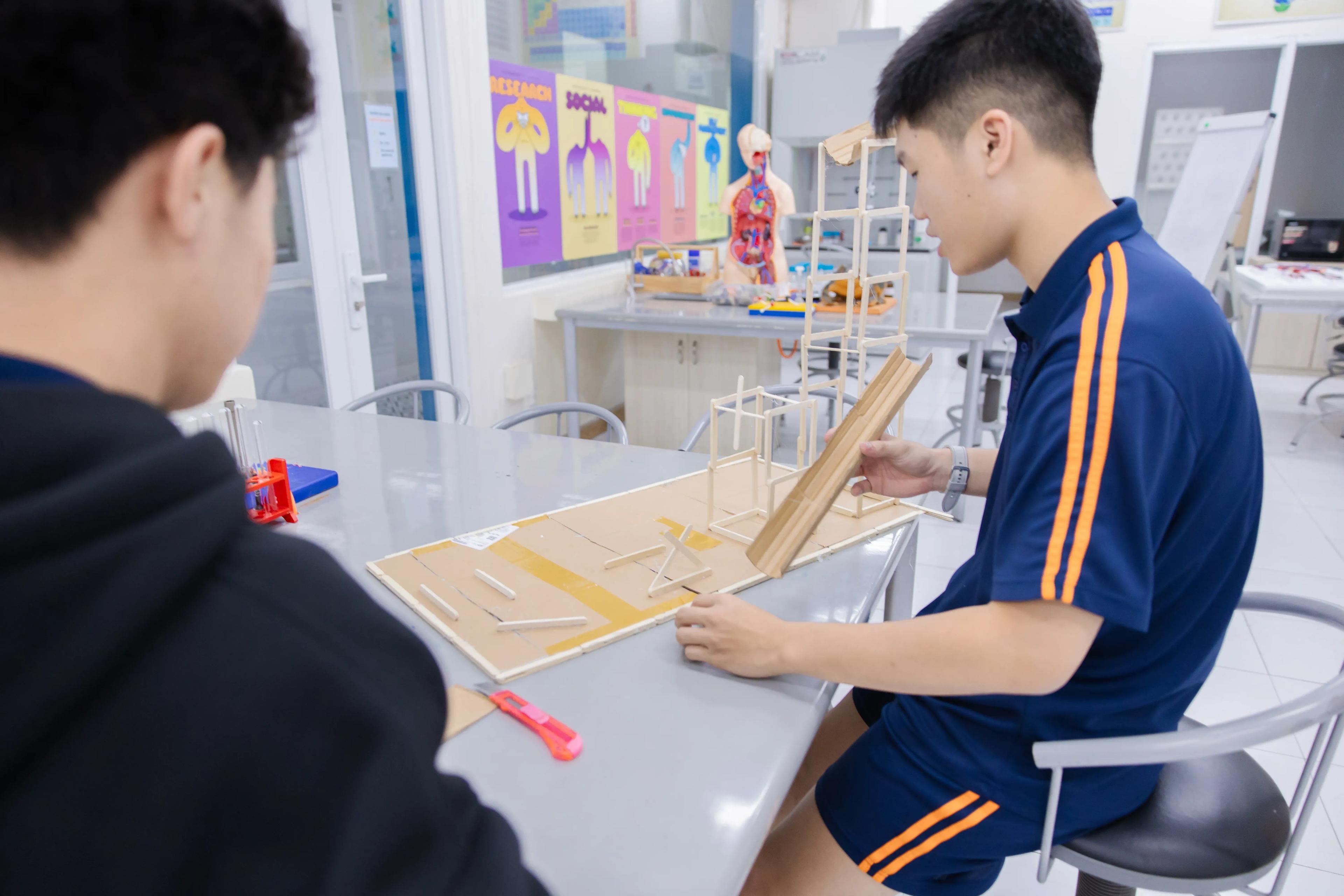
At Tesla, this approach comes into the classroom through interdisciplinary learning. Students connect knowledge and perspectives from different fields to explore questions linked to real issues. When studying an environmental issue, for example, students might use:
- Science to understand causes and impacts.
- Mathematics to analyse data.
- Geography to see the relationship between people and the environment.
- Individuals and Societies to explore the behaviour and role of communities.
Connecting matters more than memorising
What matters is not how many facts students can list from each subject, but how they connect them to understand an issue more deeply and find a more fitting solution.
This is also how learning at Tesla nurtures the IB Learner Profile: independent thinkers who are open to many perspectives and take the initiative to find solutions to the problems around them.
Parents who would like to learn more about interdisciplinary learning in the IB are welcome to contact Tesla for a consultation and a school tour.
Share this article: